Potty training is a big step for toddlers and parents alike. There's no perfect age and no single right method, but a few things make it smoother: waiting for real readiness, dressing for quick trips and keeping the mood light.
Signs your toddler may be ready
Many children show signs of readiness somewhere between about 18 months and 3 years, and every child is different. Look for:
- Staying dry for a couple of hours at a time
- Noticing when they're wet or dirty, or telling you
- Showing interest in the toilet or in what grown-ups do
- Being able to pull pants up and down with a little help
- Following simple instructions
Starting before they're ready usually takes longer, not shorter. If you have concerns, your pediatrician can help.
Dress for quick trips
When they need to go, they need to go now. Clothes that come off in seconds make a big difference.
- Elastic-waist pants they can pull down themselves. No buttons, zips or belts.
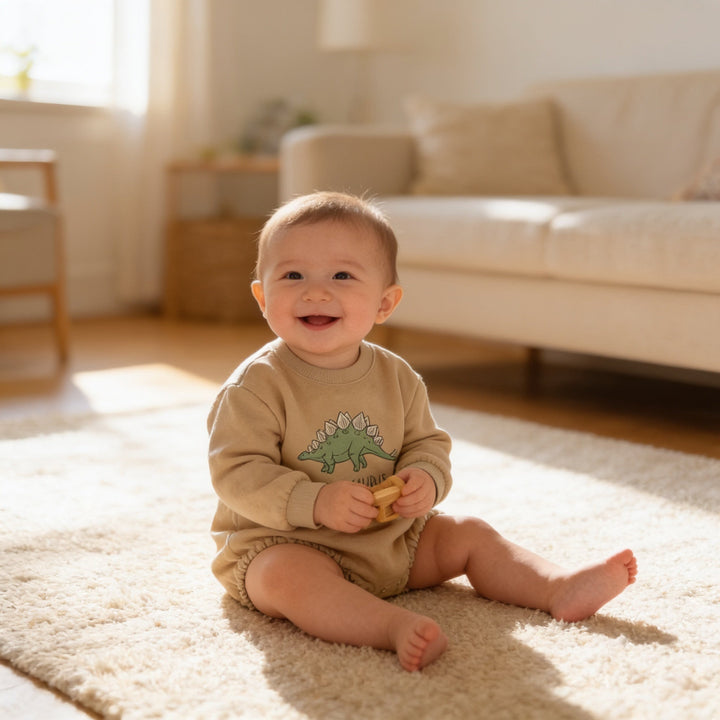
- Skip one-piece outfits and bodysuits with snaps at the crotch for now.
- Separate tops and bottoms, so accidents mean changing only half the outfit.
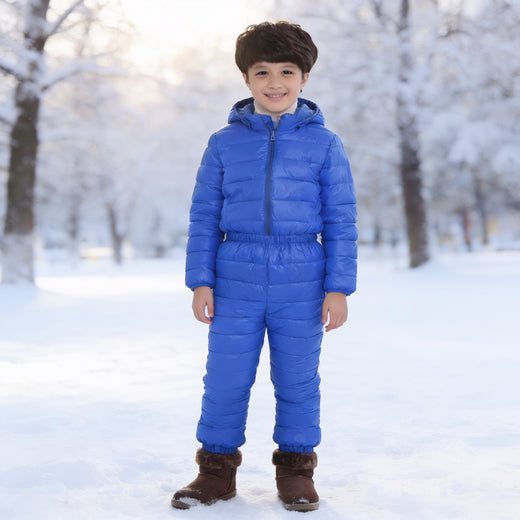
- Winter layers that come apart. A two-piece snowsuit is much easier than a one-piece. The Tundra snowsuit set has elastic-waist pants that pull on and off fast, with a separate hooded jacket.
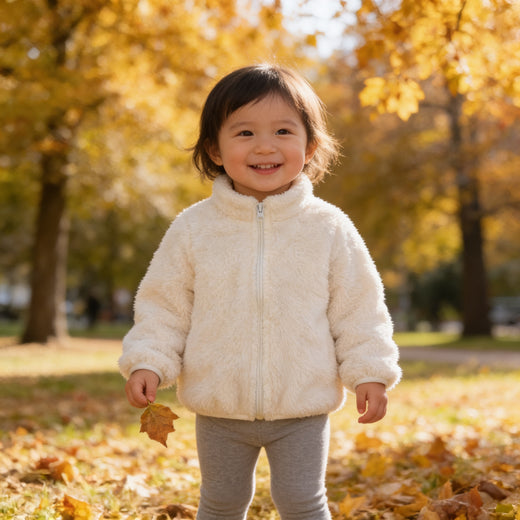
- Zip-up jackets that are easy to take off, like the Teddy plush jacket with its full-length zip.
Moving from baby sizes to toddler sizes at the same time? See 24 months vs. 2T.
Set up the bathroom
- A potty chair, or a toddler seat on the big toilet with a step stool
- A step stool at the sink for hand washing
- A few books or a small basket of toys for sitting time
- Easy-reach soap and a towel on a low hook
More ideas in our kids bathroom ideas.
Keep it positive
- Offer regular potty breaks: after waking, after meals and before bath and bed.
- Praise the effort, not just the result.
- Stay calm about accidents. They're part of learning. A simple "Oops, let's get clean clothes" works best.
- Avoid pressure or punishment, which can make toddlers hold on or resist.
Plan for outings
- Pack a full change of clothes and a bag for wet ones.
- Use the bathroom before you leave and when you arrive.
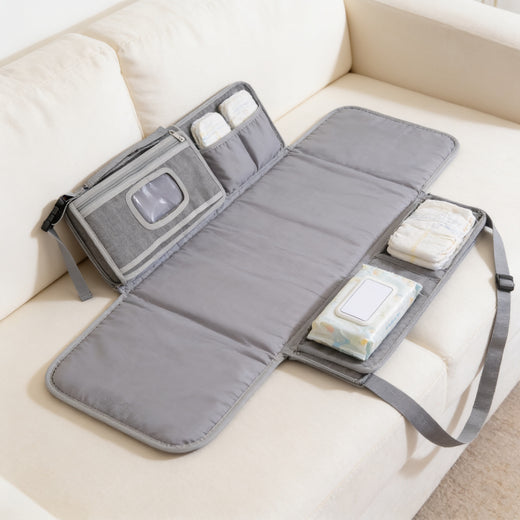
- A portable changing pad is still handy for accidents on the go. The Robin changing pad folds small and wipes clean.
Nighttime is different
Staying dry at night often comes much later than daytime training, sometimes years later. It depends on development, not effort, so it's fine to keep using nighttime protection.
Questions parents ask
What age should potty training start?
It depends on readiness, not age. Many children are ready between about 18 months and 3 years.
What should my toddler wear for potty training?
Elastic-waist pants and separate tops, with no snaps, belts or one-pieces.
How long does potty training take?
It varies a lot. Some children get the hang of it in days, others take months. Stay patient and consistent.
Shop the Clothing collection.